Find your starting point.
A 10-minute assessment maps your strengths and blind spots across six relationship skills.
YOUR PERSONAL PROFILEStrong relationships are built, not found. Build the skills for stronger relationships with your partner, friends and family.

Average reduction in loneliness reported by Seen members.
Each week, learn a skill and practice it with people in your life. Your coach helps you reflect on what happened and decide what to try next.
A 10-minute assessment maps your strengths and blind spots across six relationship skills.
YOUR PERSONAL PROFILEGet a personalized block with two or three focus areas. Spend your time on the skills you need to practice.
ONE BRIEF AND THREE REPS EACH WEEKYour AI coach checks in on iMessage or WhatsApp, helps you reflect, and adjusts your next week.
SUPPORT BETWEEN SESSIONSRetake the assessment at the end of your block. See your progress and know what to work on next.
RETAKE YOUR ASSESSMENTPractice these skills with your partner, close friends, and family. Explore an example rep for each skill.
Get past daily updates. Learn what matters to your partner and share more of what matters to you.
Ask your partner or someone you're dating: "What's been taking up the most space in your head lately?" Listen without trying to fix it.
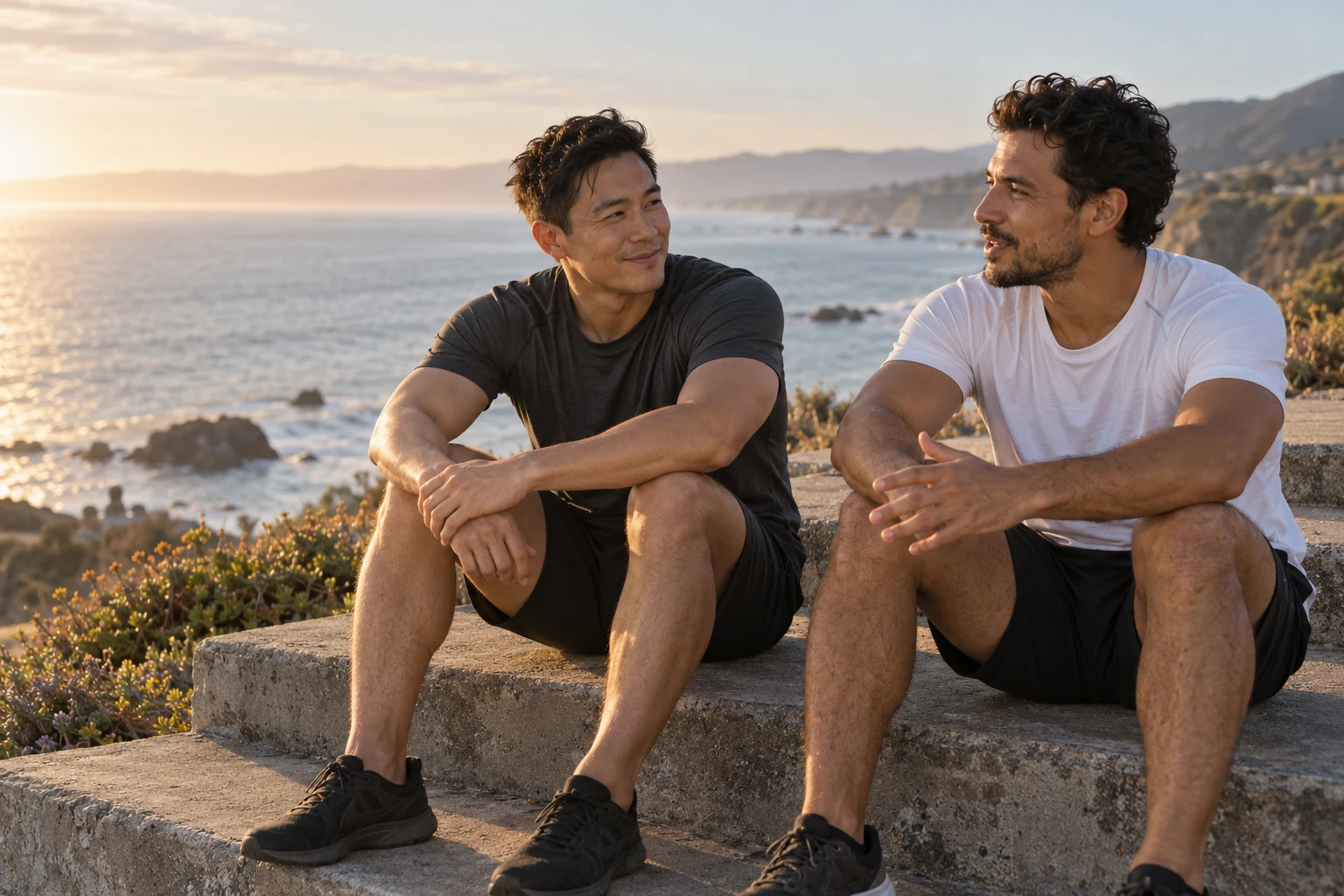
You don't have to schedule a hangout to stay in touch. A short voice note can start a conversation.
Scroll through your contacts and pick someone you haven't spoken to in a while. Send a short voice note saying you're thinking of them and asking how they are.
Each week, you get one short skill brief, three reps to try with people in your life, and one reflection. Practice over dinner with your partner or on a walk with a friend.
Connection belongs in your health routine. Strong relationships are associated with longer life and can help buffer the effects of stress.
Read the U.S. Surgeon General's advisoryAssociated with stronger social relationships across 148 studies involving more than 300,000 people.
Holt-Lunstad et al., 2010In APA's 2015 U.S. survey, adults receiving emotional support averaged 5.0 out of 10, compared with 6.3 among those without it. That is about 21% lower.
American Psychological Association, 2015 surveyYes. You can focus on your partner, friendships, family, or a mix. You practice the same six skills with the people you want to feel closer to.
You don't need a partner to start. Practice with people you're dating, friends, and family. The skills you build will also help in future relationships. Seen doesn't match you with dates.
No. You work on how you listen, communicate, and handle conflict. Your partner doesn't need an account or a shared training plan.
No. Seen is a program for practicing relationship skills in everyday life. It is not mental health treatment or a replacement for professional care.
Start with a 10-minute assessment. Each week has one short skill brief, three real-world reps, and one reflection. Most of the work happens in conversations you are already having.
The assessment lets you test out of skills you already know. Your program focuses on two or three areas where you need practice.
The coach sends you reps, asks how they went, and helps adjust the following week. You can talk in the app and between sessions on iMessage or WhatsApp.
Join the list to request access to the free assessment. Your beta invitation gives you access to the assessment, personalized program, and messaging coach.
Take the assessment to find out which skills to practice.
Free assessment · Private beta